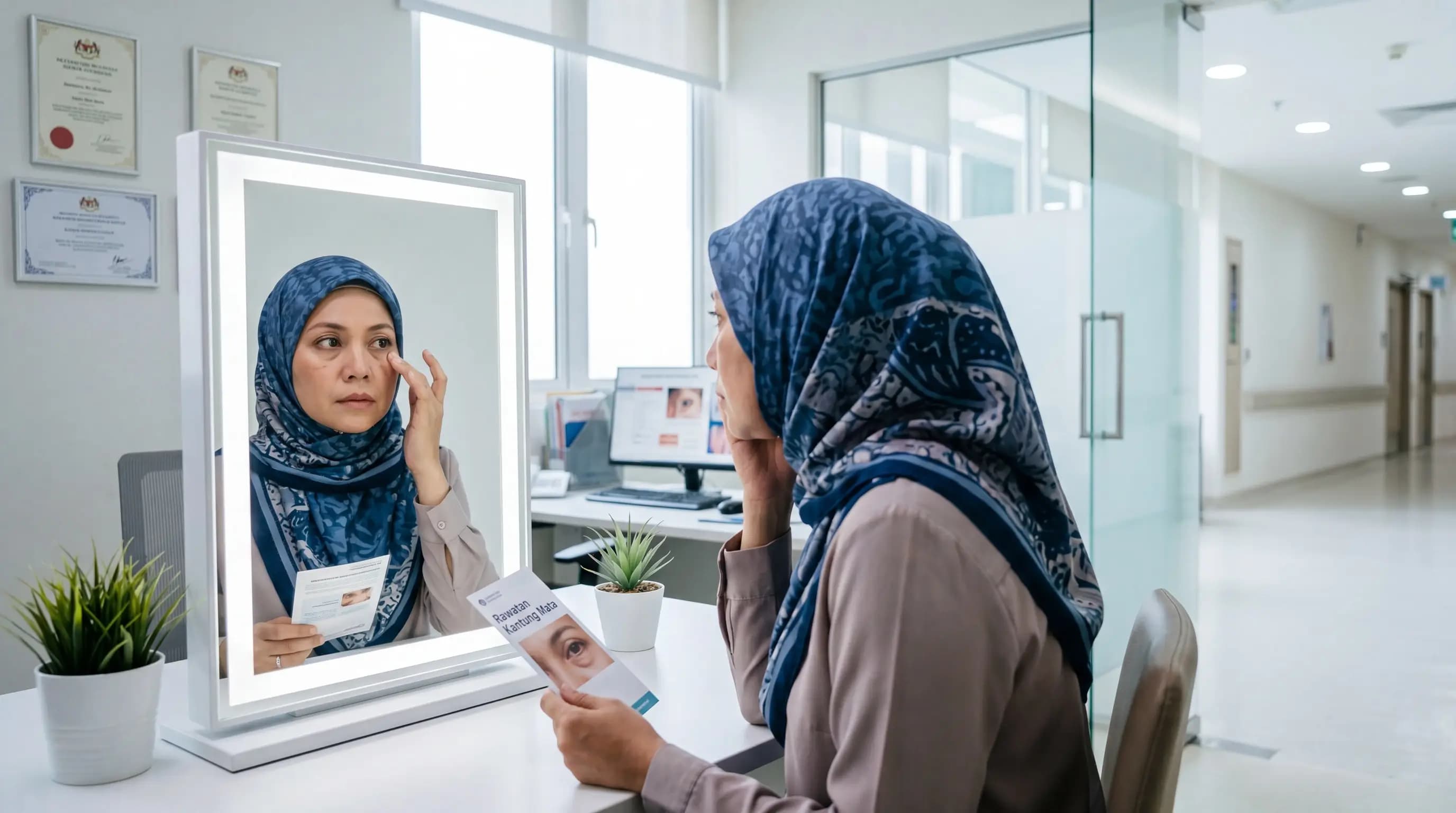
The presence of prominent eye bags can significantly impact one's facial aesthetics, often conveying an impression of fatigue or advanced age, irrespective of actual energy levels or chronological age. For individuals seeking to rejuvenate their appearance, lower blepharoplasty, commonly known as eye bag removal surgery, offers a highly effective solution. This comprehensive guide provides international patients with a detailed overview of what to expect when considering this procedure in Malaysia.
Understanding Eye Bags and Lower Blepharoplasty
Eye bags typically result from a combination of factors, including the natural aging process, genetics, and lifestyle. Over time, the delicate skin around the eyes loses elasticity, and the supporting muscles weaken. Concurrently, fat pads that normally cushion the eyeballs can protrude forward, creating the characteristic puffy appearance beneath the eyes. Fluid retention can also exacerbate their prominence.
Lower blepharoplasty is a surgical procedure designed to address these concerns by removing or repositioning excess fat, skin, and muscle from the lower eyelids. The goal is to create a smoother, more rested, and youthful contour.
Surgical Techniques
There are primarily two approaches to lower blepharoplasty:
Transconjunctival Blepharoplasty: This technique involves an incision made on the inside of the lower eyelid, through the conjunctiva (the membrane lining the inside of the eyelid). It is typically used when the primary concern is excess fat without significant loose skin. This method leaves no visible external scar.
Transcutaneous Blepharoplasty: This approach involves an incision made just below the lash line on the outside of the lower eyelid. It allows for the removal of excess skin, muscle, and fat. The incision is meticulously placed to ensure the resulting scar is virtually imperceptible once healed.
The Surgical Journey: Before, During, and After
Before Your Surgery: Preparation and Consultation
Your journey begins with a thorough consultation with a board-certified plastic surgeon in Malaysia. This crucial step involves:
Medical History Review: The surgeon will assess your general health, discuss any pre-existing medical conditions, allergies, and current medications (including supplements).
Eye Examination: A detailed examination of your eyes and surrounding facial structures will determine the most appropriate surgical technique.
Discussion of Goals: You will discuss your aesthetic objectives and the surgeon will explain realistic outcomes, potential risks, and benefits.
Pre-operative Instructions: You will receive specific instructions regarding medication adjustments, smoking cessation, and avoiding certain supplements that can increase bleeding risk.
Pro Tip: For international patients, it is advisable to schedule an initial virtual consultation to discuss your case and receive preliminary information before traveling to Malaysia for an in-person assessment.
During Your Surgery: The Procedure Itself
Lower blepharoplasty is almost universally performed as an outpatient procedure, meaning you will return home on the same day. The surgery typically takes between 1 to 2 hours, depending on the complexity and technique used.
Anesthesia: The procedure is usually performed under local anesthesia with sedation, ensuring you are comfortable and relaxed throughout. In some cases, general anesthesia may be used.
Surgical Steps: The surgeon will make the predetermined incisions, carefully remove or reposition fat, and if necessary, trim excess skin and muscle. The incisions are then meticulously closed with fine sutures.
After Your Surgery: Immediate Post-Operative Care
Immediately after the procedure, you can expect some swelling, bruising, and mild discomfort around the eyes. Your surgeon will provide detailed post-operative care instructions, which typically include:
Cold Compresses: Applying cold compresses to reduce swelling and bruising.
Head Elevation: Keeping your head elevated, even while sleeping, for the first few days.
Eye Drops/Ointments: Prescribed to prevent dryness and aid healing.
Activity Restrictions: Avoiding strenuous activities, heavy lifting, and bending over for at least two weeks.
Recovery Period and Suture Management
Recovery Timeline
The initial recovery period for lower blepharoplasty typically spans 1 to 2 weeks. During this time, most of the visible swelling and bruising will subside. However, subtle swelling can persist for several weeks to a few months, gradually resolving to reveal the final results.
First Few Days: Significant swelling and bruising. Vision may be temporarily blurry.
1 Week: Most sutures (if external) are removed. Bruising starts to fade, and swelling decreases significantly.
2-4 Weeks: Most patients feel comfortable returning to social activities and light work. Residual swelling continues to diminish.
Several Months: Final results become apparent as all swelling resolves.
Suture Removal
Whether sutures need to be removed depends on the technique used:
For transconjunctival blepharoplasty, dissolvable sutures are often used internally, which do not require removal.
For transcutaneous blepharoplasty, external sutures are typically very fine and are usually removed by the surgeon 5 to 7 days post-operatively. For international patients, this follow-up appointment is crucial and must be factored into your travel plans.
Cost Estimates for Eye Bag Removal in Malaysia
The cost of lower blepharoplasty in Malaysia is generally more competitive than in many Western countries, making it an attractive option for medical tourists. However, prices can vary based on several factors:
Surgeon's Fees: Experience and reputation of the plastic surgeon.
Anesthesia Fees: Type of anesthesia used and duration.
Facility Fees: Cost associated with the surgical facility.
Surgical Technique: Transconjunctival vs. transcutaneous approaches.
Pre- and Post-Operative Care: Including consultations and follow-up appointments.
As an estimate, the cost for lower blepharoplasty in Malaysia typically ranges from RM 5,000 to RM 9,500 (approximately USD 1,300 to USD 2,500). This range is indicative and does not include travel, accommodation, or other personal expenses.
Pro Tip: Always request a detailed, all-inclusive quote from your chosen clinic or hospital. Ensure it covers all aspects of the surgery, anesthesia, facility fees, and post-operative care to avoid unexpected costs.
Logistical Considerations for Medical Tourists
Traveling to Malaysia for eye bag removal surgery requires careful planning:
Duration of Stay: Plan for a minimum stay of 7 to 10 days in Malaysia. This allows for pre-operative consultations, the surgery itself, and essential post-operative follow-ups, including suture removal if necessary.
Accommodation: Arrange for comfortable accommodation that allows for rest and easy access to the clinic/hospital.
Language Support: While English is widely spoken in Malaysian medical facilities, MedLads can assist with any language support or coordination needed.
Travel Restrictions: Be aware of any travel restrictions or visa requirements for your country of origin.
Conclusion
Eye bag removal surgery can be a transformative procedure, offering a refreshed and more youthful appearance. By understanding the process, recovery, and logistical considerations, international patients can confidently plan their medical journey to Malaysia. Choosing an experienced, board-certified surgeon and a reputable facility is paramount to achieving optimal results and ensuring a safe, positive experience. MedLads is dedicated to assisting you in navigating this process, connecting you with top-tier medical professionals and facilitating a seamless healthcare experience in Malaysia.