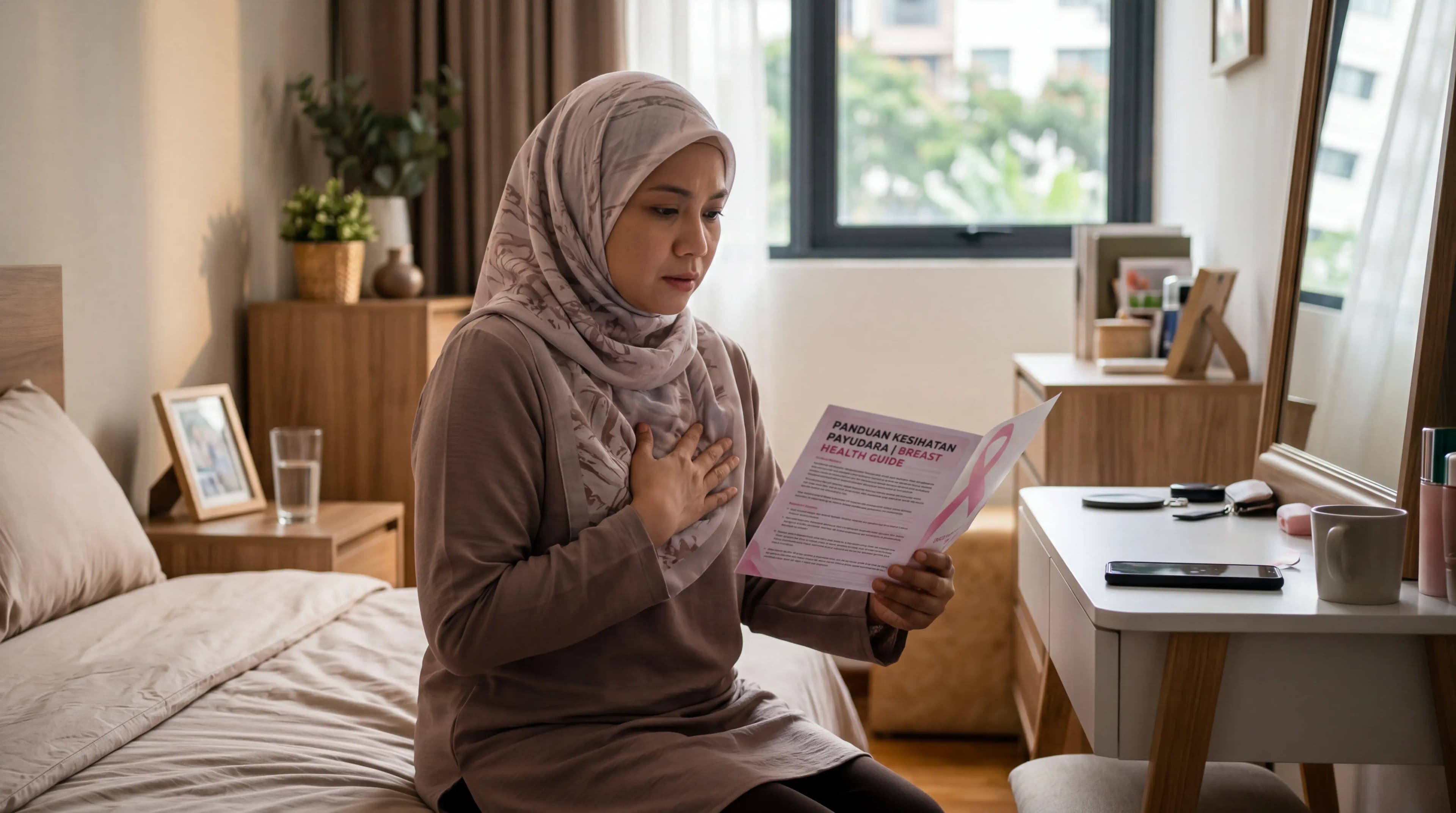
Found a Breast Lump? Don’t Panic—Here’s What to Do Next
Discovering a breast lump can be an unsettling experience, often triggering immediate anxiety and fear. It is a natural reaction to worry about the possibility of breast cancer. However, it is crucial to understand that not every breast lump is cancerous. Many are benign (non-cancerous) conditions. The most important step after finding a lump is to remain calm and seek prompt medical evaluation. This article will guide international patients through the necessary steps, emphasizing early detection and the diagnostic process available in Malaysia.
Early Detection: Your First Line of Defense
Early detection is paramount in managing breast health, particularly concerning breast cancer. When breast cancer is detected at an early, localized stage, the 5-year survival rate is significantly higher, often exceeding 90%. This statistic underscores the importance of regular self-examinations, clinical breast exams, and timely medical consultation upon discovering any abnormality.
Understanding Breast Lumps: Not All Are Malignant
While the term "lump" often evokes fear, many breast lumps are benign. Common benign causes include:
Fibroadenomas: These are solid, non-cancerous tumors that are typically firm, smooth, rubbery, and movable. They are most common in women under 30.
Cysts: Fluid-filled sacs that can be soft or firm. They are common in women aged 35 to 50 and often fluctuate with the menstrual cycle.
Fat Necrosis: A lump formed by damaged or dead fatty tissue, often resulting from trauma to the breast.
Mastitis: An infection of the breast tissue, common in breastfeeding women, which can cause a painful, red, and warm lump.
Despite these common benign causes, it is impossible to determine the nature of a lump without professional medical assessment.
When to Seek Immediate Medical Attention
While all new breast lumps warrant medical evaluation, certain signs require more immediate attention. Consult a doctor promptly if you notice any of the following:
A new lump that feels hard, fixed, and irregular.
Changes in the size or shape of the breast.
Skin changes, such as dimpling, puckering, redness, or scaling.
Nipple changes, including inversion (turning inward), discharge (especially bloody or clear), or persistent soreness.
Persistent breast pain that does not subside.
Swelling in the armpit or around the collarbone.
Pro Tip: Document when you first noticed the lump, its size, texture, and any associated symptoms. This information will be vital for your doctor.
Factors Influencing Breast Health
Understanding the factors that can influence breast health is crucial for risk assessment and prevention.
Family History and Genetic Predisposition
A significant family history of breast cancer, particularly in first-degree relatives (mother, sister, daughter), can increase an individual's risk. Genetic mutations, such as those in the BRCA1 and BRCA2 genes, are associated with a substantially higher lifetime risk of breast cancer. If you have a strong family history, discuss this with your doctor, as it may influence screening recommendations.
Lifestyle Choices and Risk Reduction
While some risk factors are unchangeable, lifestyle modifications can play a role in reducing breast cancer risk:
Maintain a Healthy Weight: Obesity, especially after menopause, increases risk.
Limit Alcohol Consumption: Even small amounts of alcohol can increase risk.
Engage in Regular Physical Activity: Aim for at least 150 minutes of moderate-intensity exercise per week.
Eat a Balanced Diet: Focus on fruits, vegetables, and whole grains, and limit processed foods.
Avoid or Limit Hormone Therapy: Discuss the risks and benefits of hormone replacement therapy with your doctor.
Navigating the Diagnostic Process in Malaysia
Malaysia has emerged as a reputable destination for medical tourism, offering high-quality healthcare services at competitive prices. For international patients, the diagnostic process for a breast lump typically involves several stages.
Initial Consultation and Clinical Breast Exam
Your journey begins with a consultation with a general practitioner or a breast specialist. The doctor will take a detailed medical history, including family history, and perform a clinical breast exam (CBE) to physically assess the lump and surrounding breast tissue.
Imaging and Biopsy Procedures
Based on the CBE findings, further imaging tests may be recommended:
Mammogram: An X-ray of the breast, primarily used for screening and detecting abnormalities not palpable during an exam. It is particularly effective for women over 40.
Ultrasound: Uses sound waves to create images of the breast. It is excellent for distinguishing between solid lumps and fluid-filled cysts and is often used for younger women or as a follow-up to an abnormal mammogram.
MRI (Magnetic Resonance Imaging): A more detailed imaging technique, often reserved for high-risk individuals or to further evaluate findings from mammograms and ultrasounds.
If imaging reveals a suspicious area, a biopsy will be performed. This involves taking a small tissue sample from the lump for microscopic examination by a pathologist. Biopsy types include fine-needle aspiration, core needle biopsy, or excisional biopsy.
Understanding Costs and Logistics for International Patients
Malaysia offers transparent and often more affordable healthcare costs compared to many Western countries. For international patients:
Cost Estimates: Request detailed cost estimates for consultations, imaging, and biopsy procedures upfront. Many Malaysian hospitals provide packages for diagnostic workups.
Appointment Scheduling: MedLads can assist in scheduling appointments with reputable breast specialists and clinics, ensuring a smooth process.
Accommodation and Travel: Plan for accommodation and travel logistics, considering the duration of your diagnostic journey.
The Importance of Timely Treatment
Should a breast lump be diagnosed as malignant, timely treatment is critical. Delays in treatment can allow cancer to progress, potentially making it more challenging to treat and reducing the chances of a successful outcome. Malaysia's healthcare system is equipped with advanced treatment modalities, including surgery, chemotherapy, radiation therapy, and targeted therapies, delivered by experienced oncologists and surgeons.
Frequently Asked Questions
1. How long should I wait before consulting a doctor after finding a lump?
It is recommended to consult a doctor within one to two weeks of discovering a new breast lump or any concerning breast change. While most lumps are benign, prompt evaluation ensures peace of mind and allows for early intervention if necessary.
2. What tests will I undergo if I find a lump?
Typically, you will undergo a clinical breast exam, followed by imaging tests such as a mammogram and/or ultrasound. If these tests indicate a suspicious area, a biopsy will likely be performed to obtain a tissue sample for definitive diagnosis.
3. What if I cannot afford the tests?
Malaysia offers a range of healthcare options. Discuss your financial concerns openly with your healthcare provider or MedLads. Some hospitals may offer payment plans, and MedLads can help identify facilities that provide high-quality care within various budget ranges. It's crucial not to delay necessary tests due to financial worries.
4. Can lifestyle changes reduce the risk of breast cancer?
Yes, lifestyle changes can significantly reduce your risk. Maintaining a healthy weight, limiting alcohol, engaging in regular physical activity, and eating a balanced diet are all recommended. While these don't eliminate risk entirely, they contribute to overall health and can lower your chances of developing breast cancer.
Conclusion
Finding a breast lump is undoubtedly concerning, but it is vital to approach the situation with calm and prompt action. Early detection and timely medical evaluation are your most powerful tools. As an international patient, Malaysia offers accessible, high-quality diagnostic and treatment services. Do not hesitate to seek professional medical advice; your health is paramount.